What Is a Bite Problem?
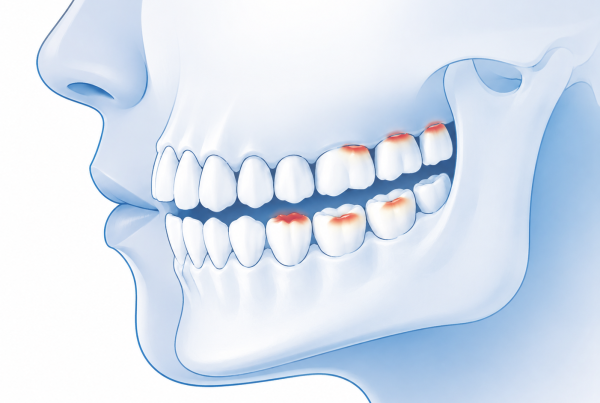
A bite problem — also called a malocclusion — happens when your upper and lower teeth don’t align properly when you close your mouth. “Malocclusion” simply means “bad bite.” It can involve individual tooth positions, the way your jaws sit in relation to each other, or both at once.
Bite problems range from mild to severe. Some cause noticeable discomfort, difficulty chewing, or speech issues. Others are subtler but can still affect your long-term dental health if left untreated. Common signs of a bite problem include:
- Upper front teeth that stick out far or cover the lower teeth completely
- Lower teeth or jaw that sit in front of the upper teeth
- Upper and lower teeth that don’t meet when biting down
- Teeth that cross over each other on one or both sides
- Jaw pain, clicking, or uneven wear on teeth
- Difficulty biting into food or chewing comfortably
Bite problems can develop from genetics, early childhood tooth loss, thumb-sucking habits, or jaw growth patterns — often a combination of factors. An orthodontic evaluation is the most reliable way to find out exactly what’s happening and what can help.
The Most Common Types of Bite Problems
There are several main types of bite issues, each affecting the teeth and jaw differently. Understanding which type you have is the first step toward finding the right treatment.
Overbite
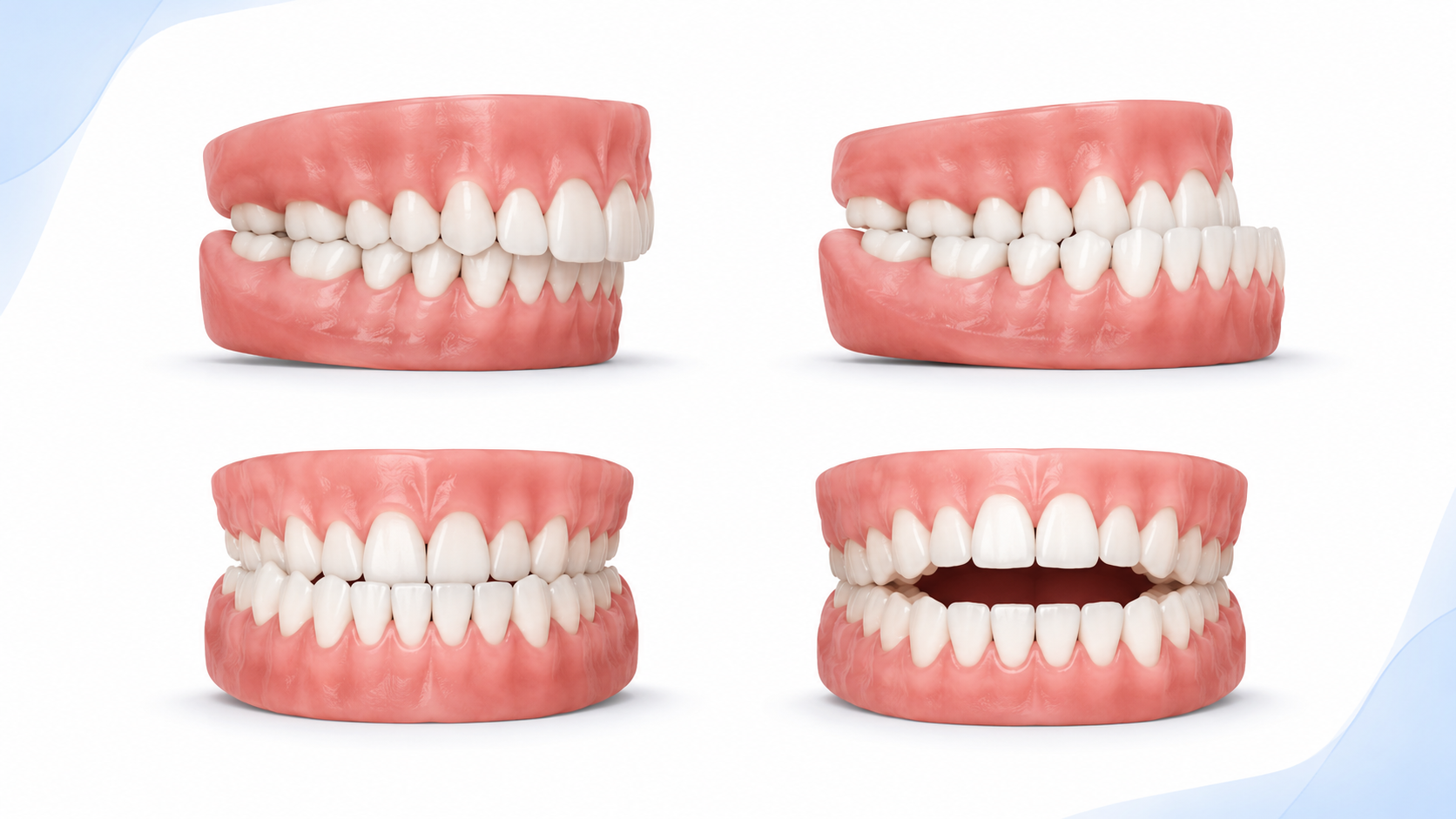
An overbite occurs when the upper front teeth overlap the lower front teeth by too much when you bite down. A small amount of vertical overlap is actually normal and healthy. However, when the upper teeth cover a large portion — or all — of the lower front teeth, it is considered a deep or excessive overbite.
A significant overbite can put extra pressure on the front teeth, accelerate enamel wear, and in more pronounced cases, cause the lower teeth to bite into the roof of the mouth. It is one of the most frequently treated bite conditions at ABSC’s offices in Ashburn, Woodbridge, and Alexandria.
Underbite
An underbite is essentially the reverse of an overbite. The lower jaw sits forward so the lower front teeth are positioned in front of the upper front teeth when biting. This gives the lower jaw a prominent appearance and can affect how a person chews and speaks.
Underbites are often related to jaw development and tend to be more noticeable than overbites. Treatment is most effective when started during childhood or the early teen years, though adult treatment is also possible depending on severity.
Crossbite
A crossbite happens when one or more upper teeth sit inside the lower teeth rather than outside them. This can occur at the front of the mouth (anterior crossbite) or on the sides (posterior crossbite). Unlike an overbite or underbite, a crossbite may affect just one tooth or an entire section of teeth.
Left untreated, crossbites can lead to uneven jaw growth, facial asymmetry, and excessive wear on specific teeth. Early intervention with braces or an expander is often recommended for children and younger teens.
Open Bite
An open bite occurs when the upper and lower teeth don’t make contact at all when the mouth is fully closed. The gap is usually visible at the front. Open bites are sometimes linked to thumb-sucking or pacifier habits in early childhood, or to jaw growth patterns that develop over time.
An open bite can make biting into certain foods difficult and may affect speech clarity. Depending on severity, it can be corrected with braces, clear aligners, or a combination of orthodontic and jaw treatment.
Crowding and Spacing
While not bite problems in the strictest sense, crowding (teeth overlapping due to insufficient space) and spacing (gaps between teeth) frequently accompany bite issues and affect how the bite functions overall. These are commonly treated at the same time as the primary bite concern.
Why Treating a Bite Problem Matters
It’s easy to view bite problems as purely cosmetic. But leaving them untreated can have real, long-term consequences. Depending on the type and severity, an untreated bite issue can lead to:
- Uneven tooth wear that causes sensitivity or cracks over time
- Higher cavity risk in areas that are difficult to clean due to misalignment
- Jaw pain, headaches, or TMJ-related discomfort
- Speech difficulties
- Self-consciousness about smile appearance
- More complex and costly treatment if addressed later in life
Starting treatment at the right time — especially for children and teens — often means shorter treatment and better long-term outcomes. ABSC provides orthodontic treatment for teens as well as early evaluations for younger children.
How Bite Problems Are Evaluated at ABSC
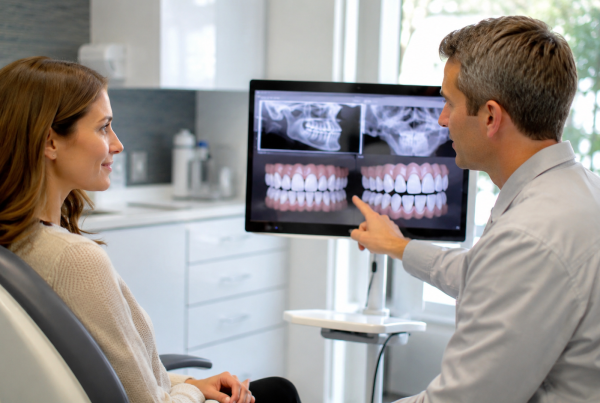
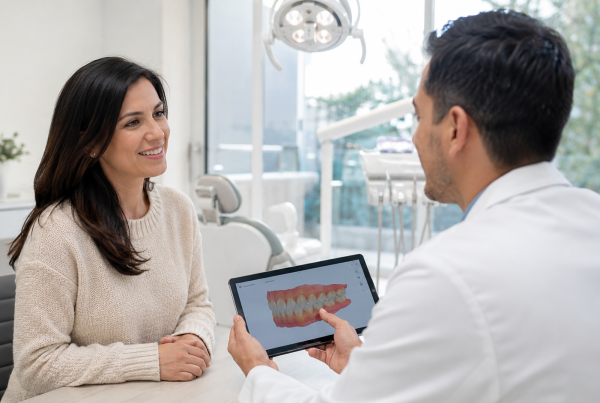
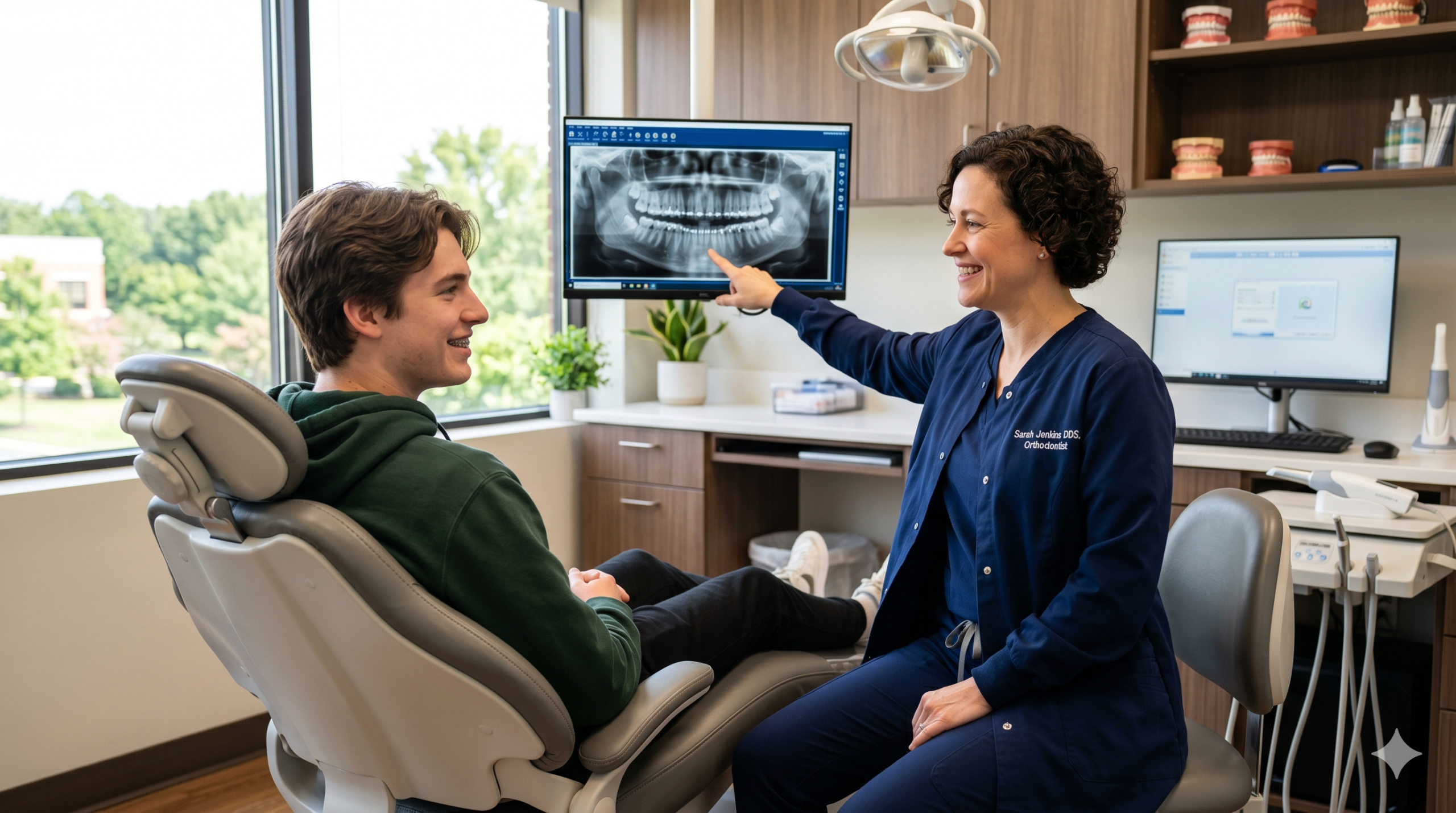
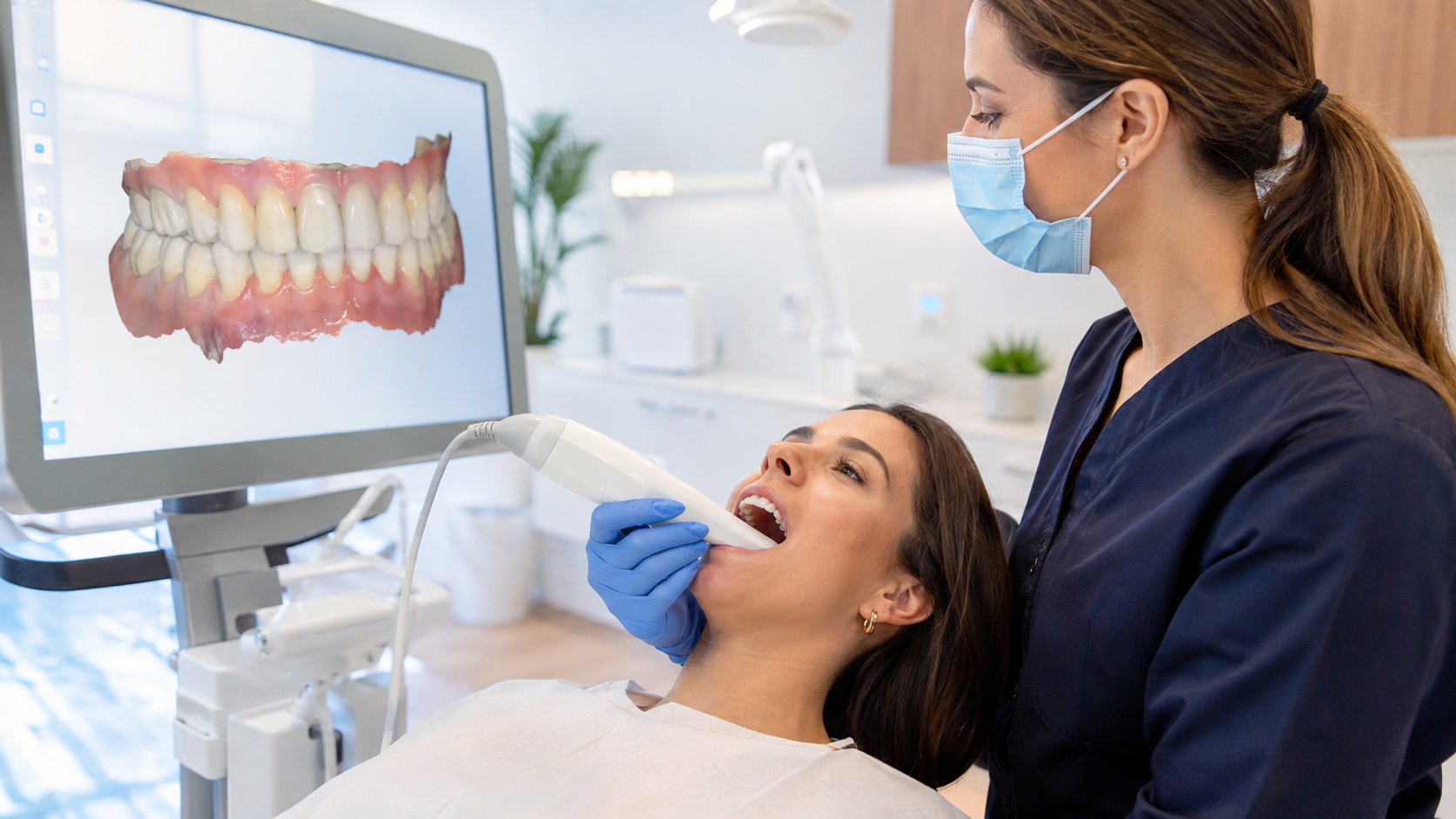
During an orthodontic consultation at any ABSC location, your orthodontist will examine your bite carefully. This includes a visual exam, digital X-rays, and in many cases a 3D scan using our iTero digital scanner, which creates a precise model of your teeth and bite without uncomfortable impressions.
The evaluation gives your orthodontist a complete picture of how your teeth, jaw, and bite relate to each other. From there, a personalized treatment plan is developed — one that accounts for your age, the type and severity of the bite problem, and your goals.
Treatment Options for Bite Problems
The right treatment depends on the type of bite problem and how severe it is. For most patients, one or more of the following options will apply.
Braces
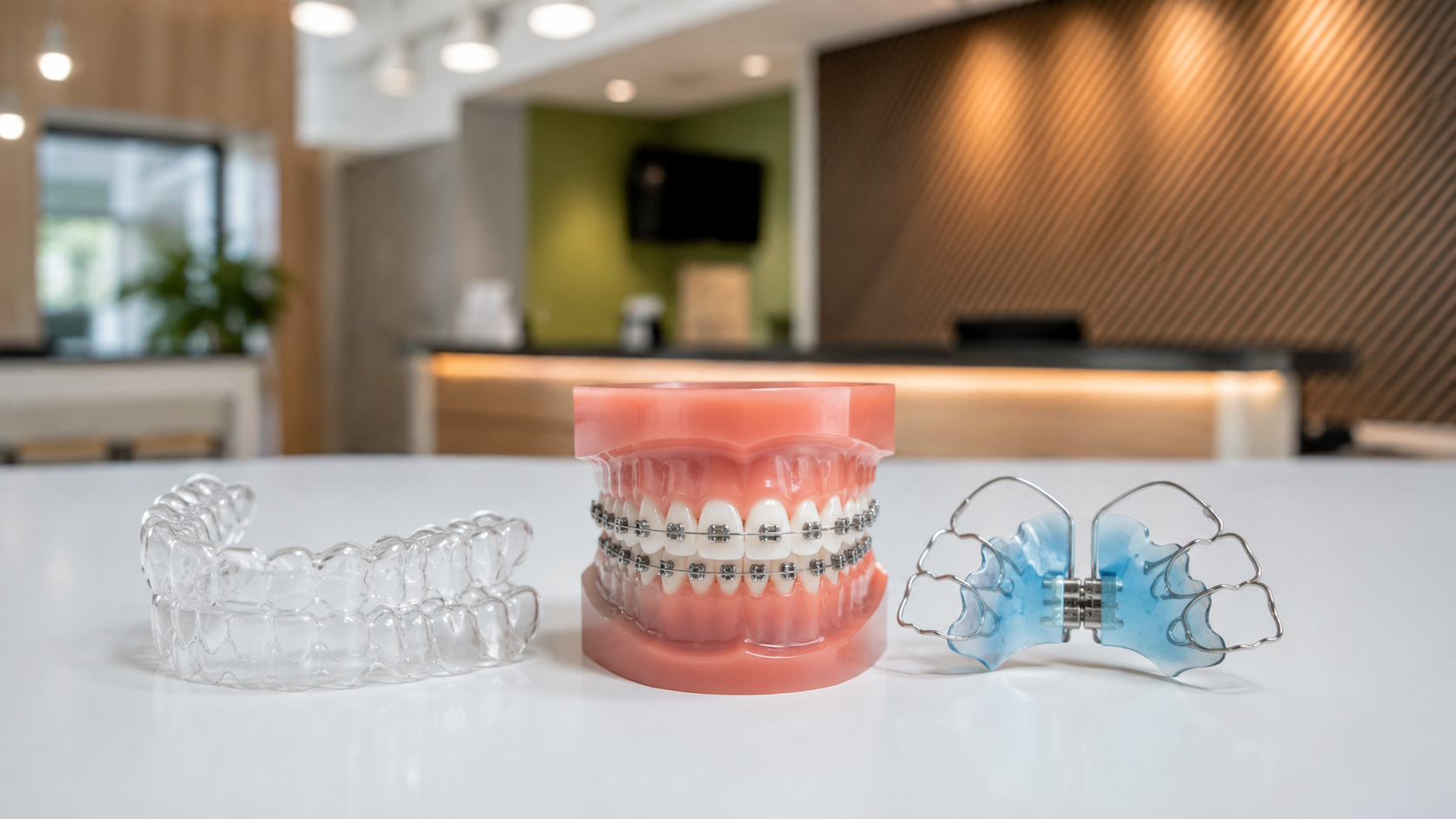
Traditional braces — whether metal, clear, or lingual — are one of the most effective ways to correct a wide range of bite problems. By applying consistent, controlled pressure over time, braces gradually move teeth into better alignment and can help guide jaw positioning. Some patients also wear jaw elastics for bite correction as part of treatment. You can explore the full range of braces options available at ABSC to see which type fits your lifestyle and treatment needs, and check how long bite correction typically takes with braces to set expectations.
Clear Aligners (Invisalign)
For mild to moderate bite problems, Invisalign clear aligners offer a comfortable and nearly invisible treatment option. Custom-made trays are changed every one to two weeks and work well for overbites, mild underbites, crossbites, and spacing or crowding issues. Ask our team at any of our three offices about whether Invisalign is right for your specific bite.
Palatal Expanders
For children and younger teens, a palatal expander is sometimes used to gently widen the upper jaw. This creates more space for teeth and can correct posterior crossbites or severe crowding before comprehensive treatment begins. Expanders work best while the jaw is still actively growing.
Removable Appliances
In early orthodontic treatment, removable appliances are sometimes used to guide jaw development or address mild bite issues before braces are needed. These are most commonly used for younger children.
Surgical Orthodontics
For severe jaw-related bite problems in adults — where the jaw itself is the primary issue — orthognathic surgery combined with orthodontic treatment may be necessary. This is less common and is evaluated carefully on an individual basis.
When Should Bite Problems Be Treated?
The American Association of Orthodontists recommends a first orthodontic evaluation by age 7. By this age, an orthodontist can identify early bite concerns and determine whether intervention is needed now or whether careful monitoring is the better approach.
That said, bite problems can be treated successfully at any age. Many adults at our offices in Ashburn, Woodbridge, and Alexandria begin bite correction as adults with excellent results. The most important step is getting evaluated so you know where you stand.
If you’d like to see what bite correction treatment looks like in practice, our before and after gallery shows real patient results from ABSC.
Frequently Asked Questions
How do I know if I have a bite problem?
Common signs include front teeth that protrude or overlap excessively, lower teeth that sit in front of the upper teeth, a visible gap when biting down, or discomfort when chewing. An orthodontic evaluation at ABSC in Ashburn, Woodbridge, or Alexandria, VA is the most accurate way to confirm whether a bite problem exists and what type it is.
Can bite problems fix themselves over time?
In most cases, bite problems do not resolve on their own. While some very mild issues in young children may improve as the jaw grows, most malocclusions require orthodontic treatment. Waiting generally makes treatment more complex and can allow related issues — like tooth wear and jaw strain — to develop.
At what age should a bite problem be treated?
There is no single right age — it depends on the type and severity of the issue. The AAO recommends a first evaluation at age 7. Teens often receive comprehensive treatment during their growth years. Adults can also be treated, though certain jaw-related issues respond better when addressed earlier.
Does insurance cover bite correction treatment?
Many orthodontic insurance plans cover a portion of bite correction treatment, particularly for children. ABSC works with most insurance providers and is happy to review your coverage at your consultation. We offer no-obligation consultations at all three locations.
Does ABSC treat bite problems in Ashburn, Woodbridge, and Alexandria?
Yes. ABSC treats overbites, underbites, crossbites, open bites, and related alignment issues at all three locations — Ashburn, Woodbridge, and Alexandria, VA — for patients of all ages. Our orthodontist Dr. Ron Hessamfar and his team have over 25 years of orthodontic experience serving Northern Virginia families.
Ready to Correct Your Bite?
Whether you have a mild alignment concern or a more significant bite issue, the right place to start is a proper evaluation. At American Braces & Smile Center Orthodontics, we see patients in Ashburn, Woodbridge, and Alexandria, VA — and we make it easy to get clear answers and a treatment plan that fits your life. Contact us today to schedule your consultation.