How Adult Orthodontics Differs from Teen Treatment
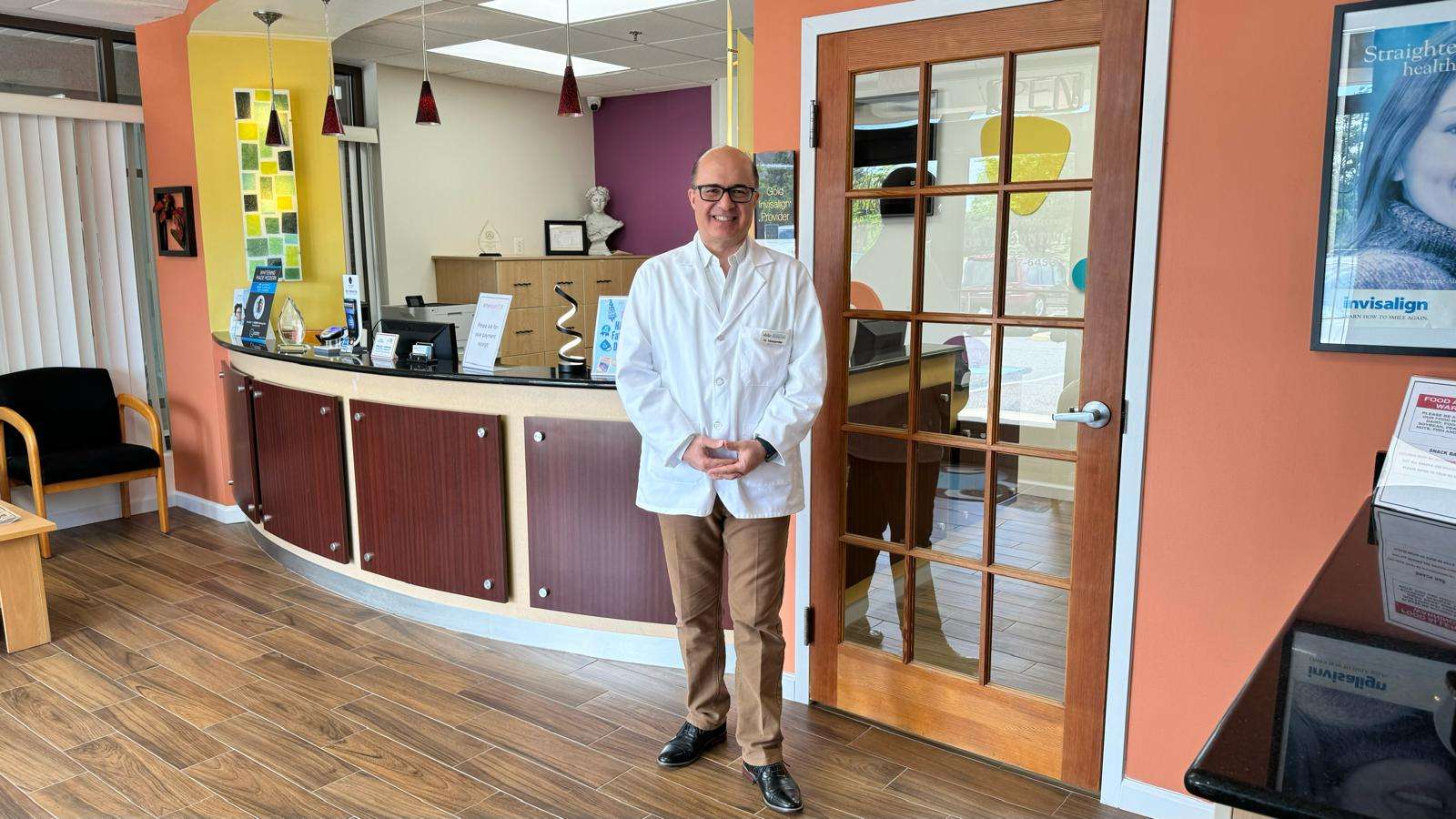
Adult orthodontic treatment follows the same clinical principles as teen treatment, but there are important differences that Dr. Hessamfar accounts for when planning adult cases:
Bone maturity: Adult jawbones have finished growing. While this means teeth can still move effectively, it does mean some severe skeletal discrepancies that can be corrected with growth guidance in children may require a different approach in adults — in rare complex cases, orthognathic (jaw) surgery may be considered alongside orthodontic treatment.
Periodontal health: Adults are more likely than teens to have experienced gum recession, bone loss, or periodontal disease. Dr. Hessamfar works with your dentist or periodontist to ensure gum and bone health is stable before and during treatment. Patients with active gum disease must have it treated before braces can begin — but this does not mean braces are off the table permanently.
Worn or missing teeth: Years of use can cause teeth to wear down, chip, or shift — particularly if previous teeth have been lost. Missing teeth cause adjacent teeth to drift and tilt, creating bite problems that orthodontics can correct, often in coordination with restorative dental treatment.
Treatment time: Adult treatment typically takes 18 months to 3 years depending on complexity — slightly longer than teen treatment on average, but with the same quality of results. As a general guide: mild alignment issues often resolve in 6–12 months, moderate cases in 12–20 months, and complex bite corrections in 18–30 months. Dr. Hessamfar will give you a personalized estimate based on your specific case at your consultation.