orthodontist Leesburg VA

What Are Self-Ligating Braces?

Self-ligating braces work on the same fundamental principle as traditional metal braces — brackets bonded to each tooth and an archwire that applies controlled pressure to guide teeth into position. The key difference is how the wire is held in place. Traditional braces use elastic bands (o-rings) to connect the archwire to each bracket. Self-ligating braces replace these bands with a built-in sliding or spring-loaded clip mechanism on each bracket that holds the wire directly. This eliminates the friction created by elastic ties, allows teeth to move more freely, and typically results in a more comfortable, efficient treatment experience.
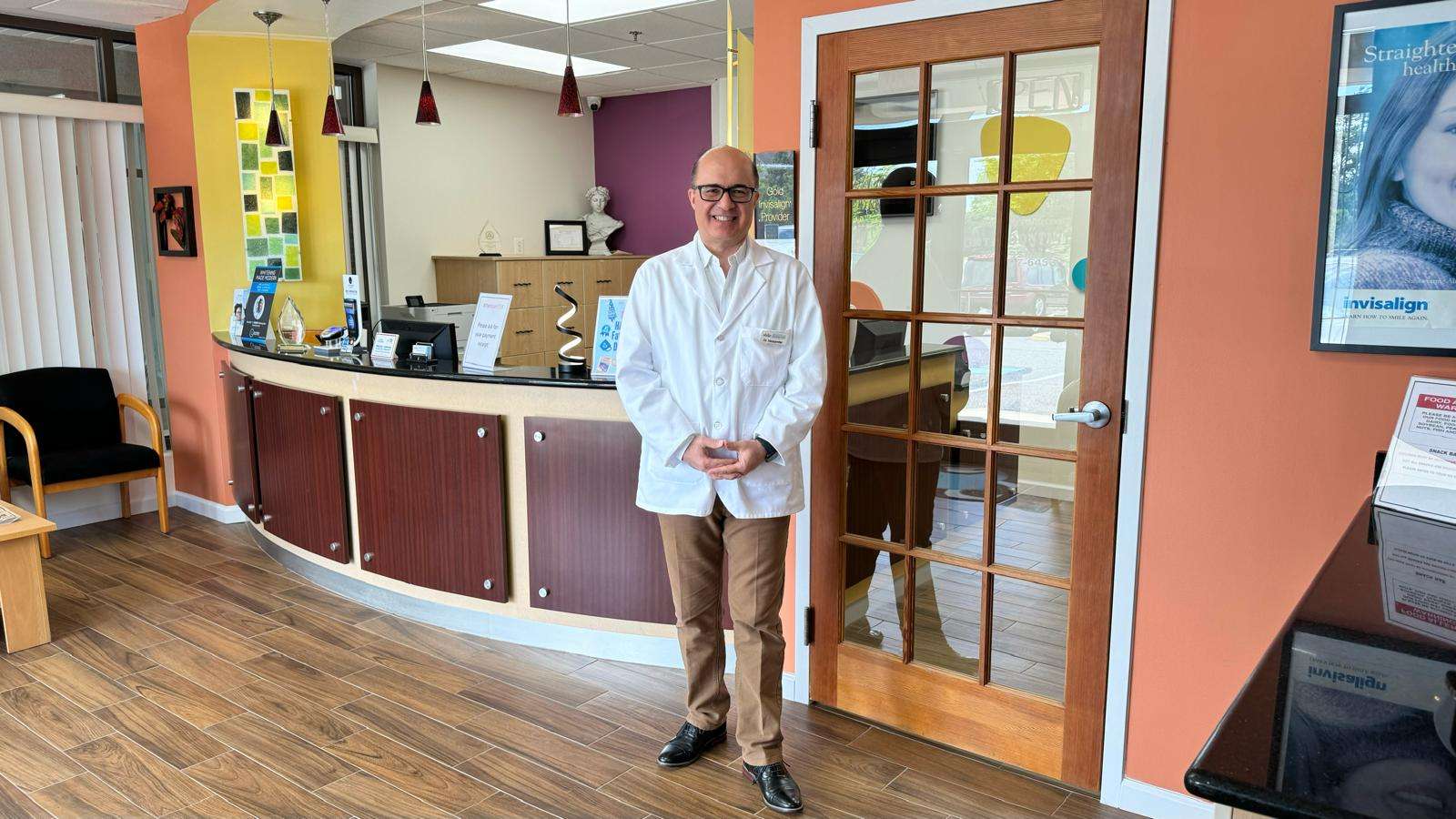
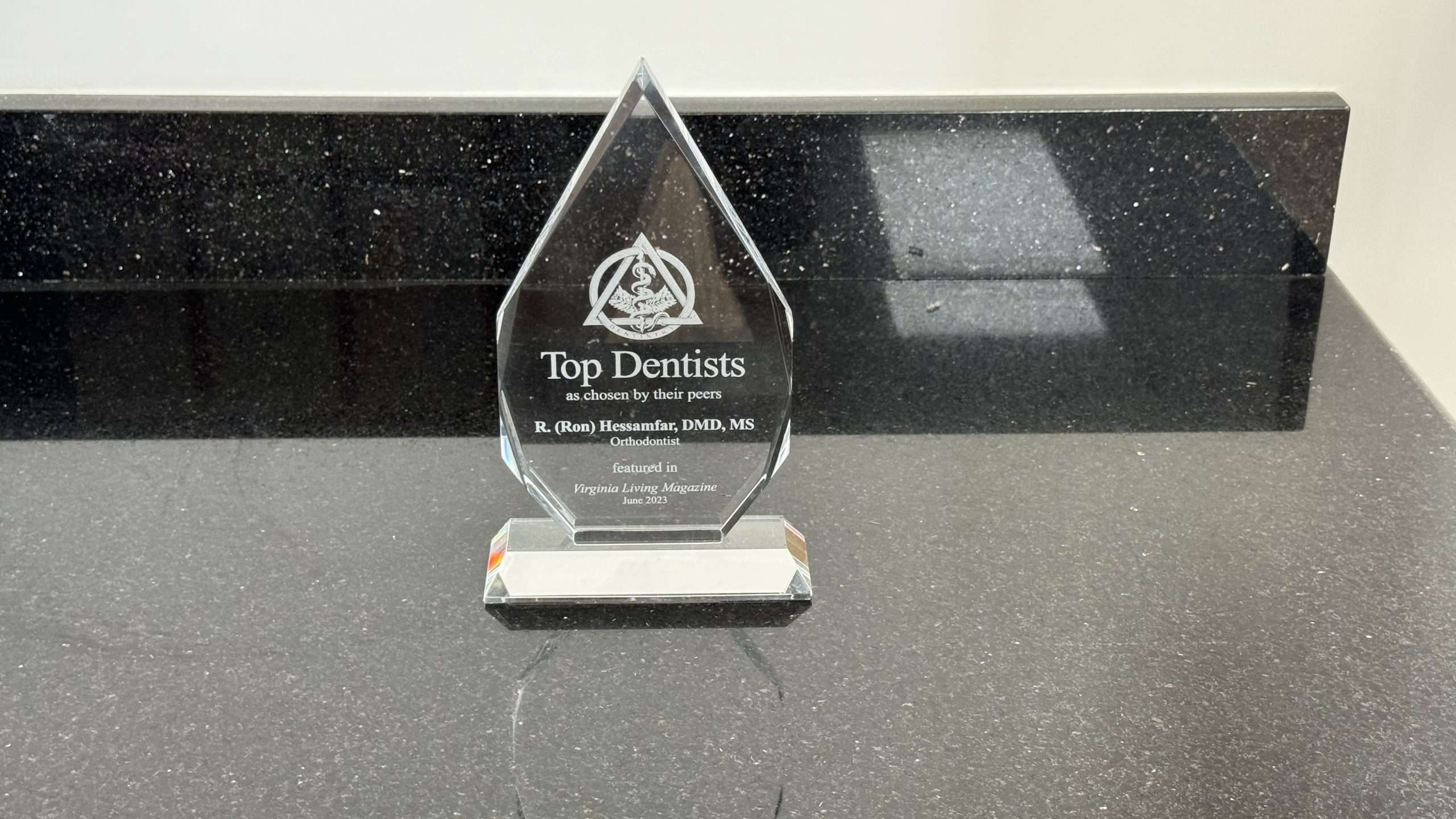
Dr. Ron Hessamfar DMD MS orthodontist at American Braces and Smile Center Northern Virginia
  • Reduced friction: Without elastic bands gripping the wire, teeth can slide more naturally along the archwire — resulting in smoother, more efficient movement throughout treatment.
  • Improved comfort: Lighter forces and reduced friction generally mean less soreness after adjustments compared to traditional braces.
  • Better hygiene: Elastic bands are common traps for food and plaque. Eliminating them reduces the risk of buildup around brackets, making it easier to maintain clean, healthy teeth during treatment.
  • Fewer office visits: Self-ligating braces typically require fewer check-up appointments than traditional braces — a significant advantage for busy patients.
  • Shorter treatment time: In many cases, self-ligating braces can reduce total treatment time by up to 6 months compared to traditional fixed appliances.
  • Effective for complex cases: Self-ligating braces can treat crowding, spacing, misalignment, and bite issues across a broad range of complexity levels.
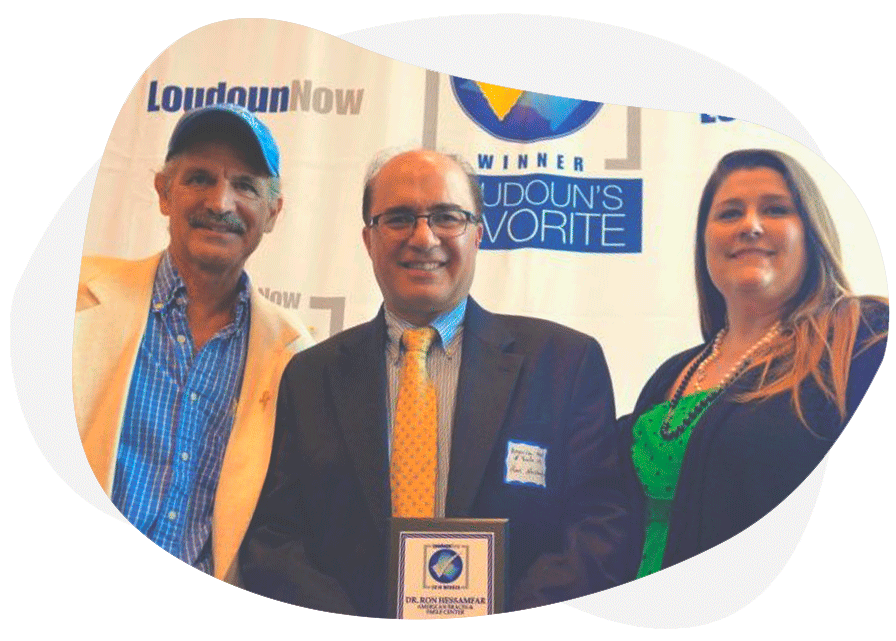
Dr. Hessamfar AAO American Association of Orthodontists member Northern Virginia

Self-ligating braces are a strong option for patients of all ages who want effective orthodontic correction with a more comfortable experience and potentially shorter treatment timeline. They are particularly well-suited for patients who:

  • Have moderate to complex crowding, spacing, or bite issues
  • Want to minimize the number of office visits during treatment
  • Prefer a more gentle, low-friction approach to tooth movement
  • Are looking for a fixed brace option that is easier to keep clean than traditional metal braces

If appearance during treatment is a concern, self-ligating brackets are also available in a clear or tooth-colored ceramic version — offering the efficiency benefits of self-ligation with a more discreet look. Ask Dr. Hessamfar about your options at your consultation.

Metal braces clear braces and Invisalign options at ABSC Orthodontics Ashburn VA

Self-ligating braces treatment is available at all three ABSC offices across Northern Virginia. Every patient receives the same thorough, expert-level care from Dr. Hessamfar and his team regardless of which office they attend.

  • Self-ligating braces in Ashburn, VA
  • Self-ligating braces in Woodbridge, VA
  • Self-ligating braces in Alexandria, VA

We serve patients from across Loudoun County, Prince William County, and Fairfax County — including Leesburg, Manassas, Dale City, Reston, Herndon, Chantilly, and Sterling. Call us at 703-726-6561 or book your free consultation online.

ABSC Orthodontics office Ashburn VA with happy smiling patients

Traditional braces use elastic bands (o-rings) to hold the archwire to each bracket. Self-ligating braces use a built-in clip mechanism instead, eliminating the need for elastic ties. This reduces friction, allows lighter forces during tooth movement, and generally improves comfort and treatment efficiency.

In many cases, yes. Self-ligating braces can reduce total treatment time by up to 6 months compared to traditional metal braces. The exact time savings depend on the complexity of your case and how your teeth respond to treatment.

Yes. Because the wire does not need to be tightened the same way as with elastic-tied braces, adjustment appointments for self-ligating systems are typically less frequent — often every 6 to 10 weeks rather than every 4 to 6 weeks. This makes them a great fit for patients with busy schedules.

Generally, yes. The reduced friction and lighter continuous forces used by self-ligating braces tend to result in less soreness and discomfort following adjustments compared to traditional elastic-tied braces.

Self-ligating braces may cost slightly more than traditional metal braces depending on the system used, but the difference is often offset by requiring fewer appointments. ABSC offers flexible financing options, and most dental insurance plans that cover orthodontic treatment will contribute toward self-ligating braces costs.

Yes. Self-ligating braces are effective for treating a broad range of orthodontic issues — from mild crowding and spacing to moderate and complex misalignment and bite problems. Dr. Hessamfar will confirm suitability during your initial consultation.

Dr. Ron Hessamfar orthodontist Northern Virginia personal photo family
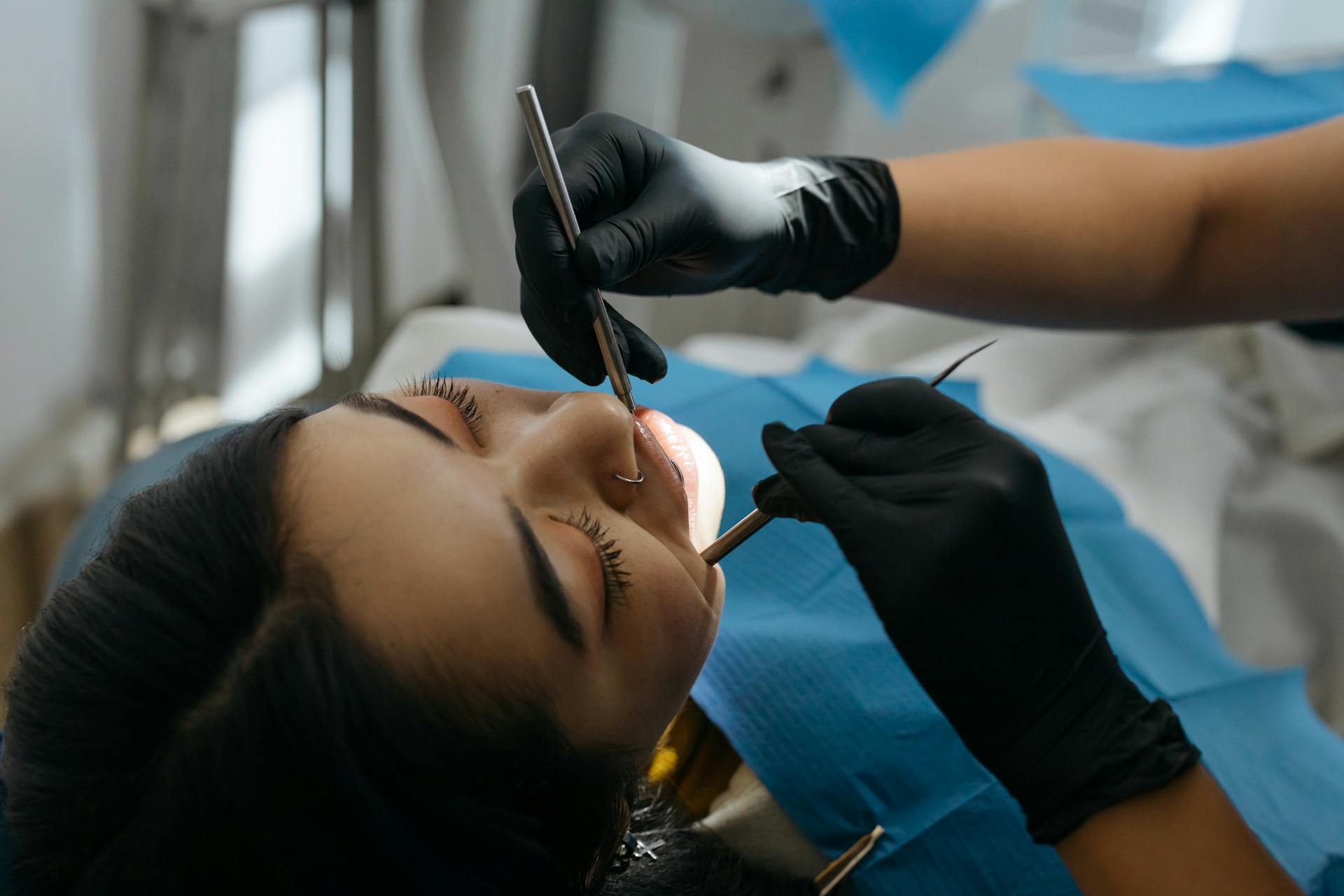
Happy patient with straight teeth after braces treatment at ABSC Orthodontics in Ashburn Virginia