What Is a Crossbite?
A crossbite happens when the upper teeth sit inside the lower teeth instead of slightly outside them. This can affect just the front teeth (anterior crossbite) or the back teeth (posterior crossbite). It’s not just a cosmetic issue — an untreated crossbite can lead to uneven jaw growth, worn tooth enamel, and difficulty chewing properly over time.
Crossbites are fairly common in children, and many cases are first noticed during a routine dental checkup or an early orthodontic evaluation. If your child’s dentist has flagged this issue, an orthodontist can assess whether a jaw expander is the right next step.
How a Palatal Expander Works
A palatal expander is a custom appliance that fits on the roof of the mouth. It gently widens the upper jaw by applying light, consistent pressure to the two halves of the palate. In children and young teens, the palate hasn’t fully fused yet, which means it can be widened more easily and naturally than in adults.
The expander is adjusted regularly — typically by a parent turning a small key in the center of the device — to gradually increase the width of the upper arch. This creates the space needed to correct the crossbite and, in many cases, reduce crowding as well. Once the target width is reached, the expander stays in place for a retention period to allow new bone to solidify in the expanded area.
The Best Age for Crossbite Expander Treatment
Timing matters a lot with this type of treatment. Most orthodontists recommend evaluating children for a palatal expander between ages 6 and 14, before the mid-palatal suture fuses. The younger the child, the more responsive the jaw tends to be — which often means shorter treatment times and better outcomes.
This is why the American Association of Orthodontists recommends that children have their first orthodontic evaluation by age 7. Early detection of a crossbite gives your orthodontist more treatment options, including Phase 1 (early) orthodontic treatment, which focuses on guiding jaw development before all the permanent teeth come in. At American Braces & Smile Center in Ashburn, early orthodontic treatment is a core part of what the practice offers for younger patients.

Palatal Expander With Braces: What to Expect
In many cases, a palatal expander is used during Phase 1 as a standalone appliance. After the expansion phase is complete and the jaw has stabilized, your child may then move into Phase 2 treatment — which often involves braces to align the teeth once the permanent teeth have come in. This two-phase approach is common for children who need both skeletal correction and tooth alignment.
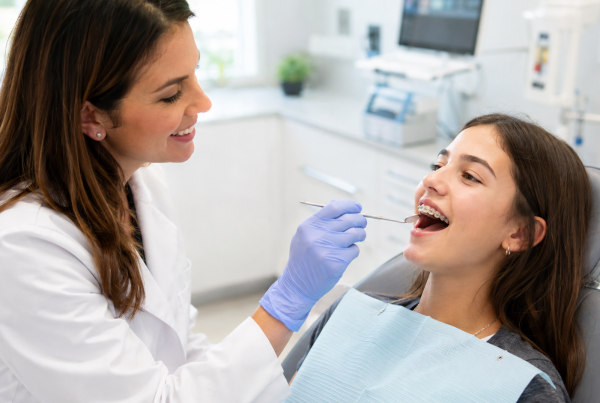
Not every child who uses an expander will need braces right away. An orthodontist will monitor your child’s growth and recommend the next phase of treatment based on how their teeth and jaw are developing. If your child is already in their teen years, braces for teens may be recommended alongside or after expander therapy.
What Parents Should Know About Day-to-Day Life With an Expander
Most children adjust to a palatal expander within a week or two. Here’s what to expect during that adjustment period:
- Speech changes: A slight lisp or change in speech is common at first and usually resolves on its own as your child adapts.
- Soreness: Mild pressure or soreness after adjustments is normal. Over-the-counter pain relievers can help if needed.
- Food restrictions: Sticky, chewy, and hard foods should be avoided. Think soft foods like pasta, yogurt, and mashed potatoes during the adjustment phase.
- Oral hygiene: Cleaning around the expander is important. Rinsing after meals and brushing carefully around the appliance keeps the mouth healthy.
- A gap between front teeth: As the palate widens, a temporary gap between the upper front teeth is completely normal and will close on its own.
The total active expansion phase typically lasts anywhere from 3 to 6 months, followed by a retention period of similar length. Every child’s case is different, and your orthodontist will map out the timeline at the start of treatment. For a broader look at what affects orthodontic timelines, see how long orthodontic treatment takes.
Is a Palatal Expander Right for Every Crossbite?
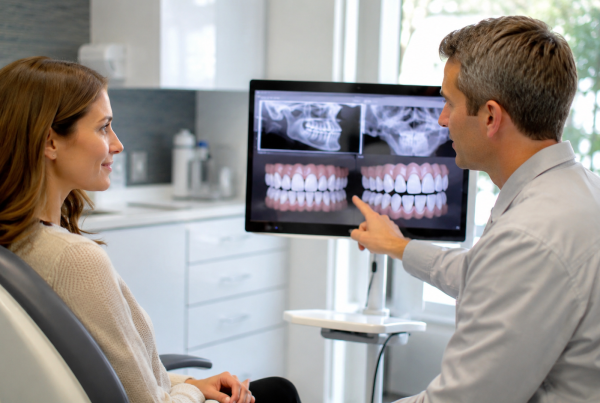
A palatal expander is most effective for posterior crossbites caused by a narrow upper jaw. For anterior crossbites or cases where the crossbite is related to tooth position rather than jaw width, other approaches may be recommended. An orthodontist needs to examine your child’s bite, jaw structure, and X-rays before recommending the right treatment plan.
If you’re in Ashburn or the surrounding Loudoun County area, the team at American Braces & Smile Center in Ashburn, VA can evaluate whether a palatal expander is the right fit for your child — or whether a different early treatment approach makes more sense.
FAQ
How long does a child wear a palatal expander?
Most children wear a palatal expander for 6 to 12 months total — about 3 to 6 months of active expansion followed by a retention period to allow the new bone to stabilize. The exact timeline depends on the severity of the crossbite and how the jaw responds to treatment.
Does a palatal expander hurt?
A palatal expander typically causes mild pressure or soreness, especially right after an adjustment. This discomfort usually fades within a day or two. It’s not considered painful for most children, though every child has a different tolerance.
At what age is a palatal expander most effective?
Expanders work best in children between ages 6 and 14, when the palate is still growing and hasn’t fully hardened. Younger patients often respond more quickly, but many early teens are still good candidates.
Can I get a free consultation at ABSC in Ashburn for my child’s crossbite?
Yes. American Braces & Smile Center offers complimentary consultations for new patients. You can contact the Ashburn office to schedule a visit and have your child’s bite evaluated by an experienced orthodontist.
Will my child need braces after the palatal expander?
Not always, but it’s common. Many children who complete Phase 1 expander treatment go on to Phase 2 treatment with braces once their permanent teeth come in. Your orthodontist will reassess after the expansion phase is complete and advise you on next steps based on how your child’s teeth are developing.
Schedule a Crossbite Evaluation in Ashburn
A crossbite is one of those things that’s much easier to address early than to correct later. If your child is between ages 6 and 14 and you’ve been told they may have a crossbite, now is a good time to have it looked at by an orthodontist. The team at American Braces & Smile Center in Ashburn, VA has experience guiding children through early orthodontic treatment — including palatal expanders — with a straightforward, honest approach. To schedule a consultation and get a clear picture of what your child needs, contact us today. We serve families throughout Ashburn, Loudoun County, and the broader Northern Virginia area.