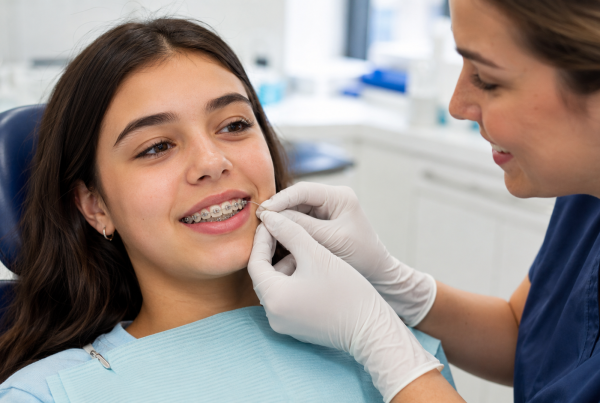
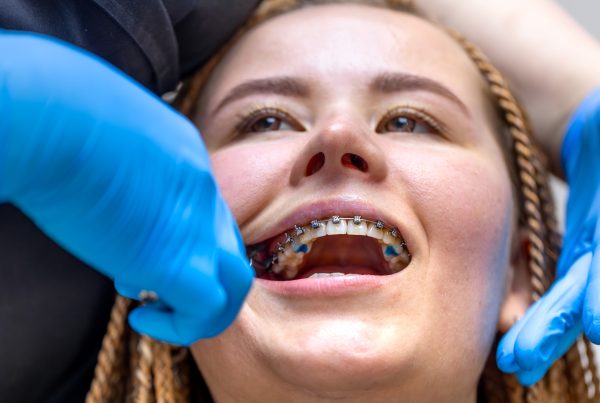
Can braces fix crowded teeth? Yes — braces are one of the most effective and most common orthodontic treatments for crowding, whether it’s mild overlap on the bottom front teeth or more significant rotation and crowding across the full arch.
At American Braces & Smile Center, patients from Alexandria, Woodbridge, Ashburn, and surrounding Northern Virginia communities come to us specifically for crowding correction — it’s one of the most common reasons patients start orthodontic treatment. With more than 25 years of orthodontic experience, our team evaluates each case individually to determine the right approach and timeline.
What Does It Mean to Have Crowded Teeth?
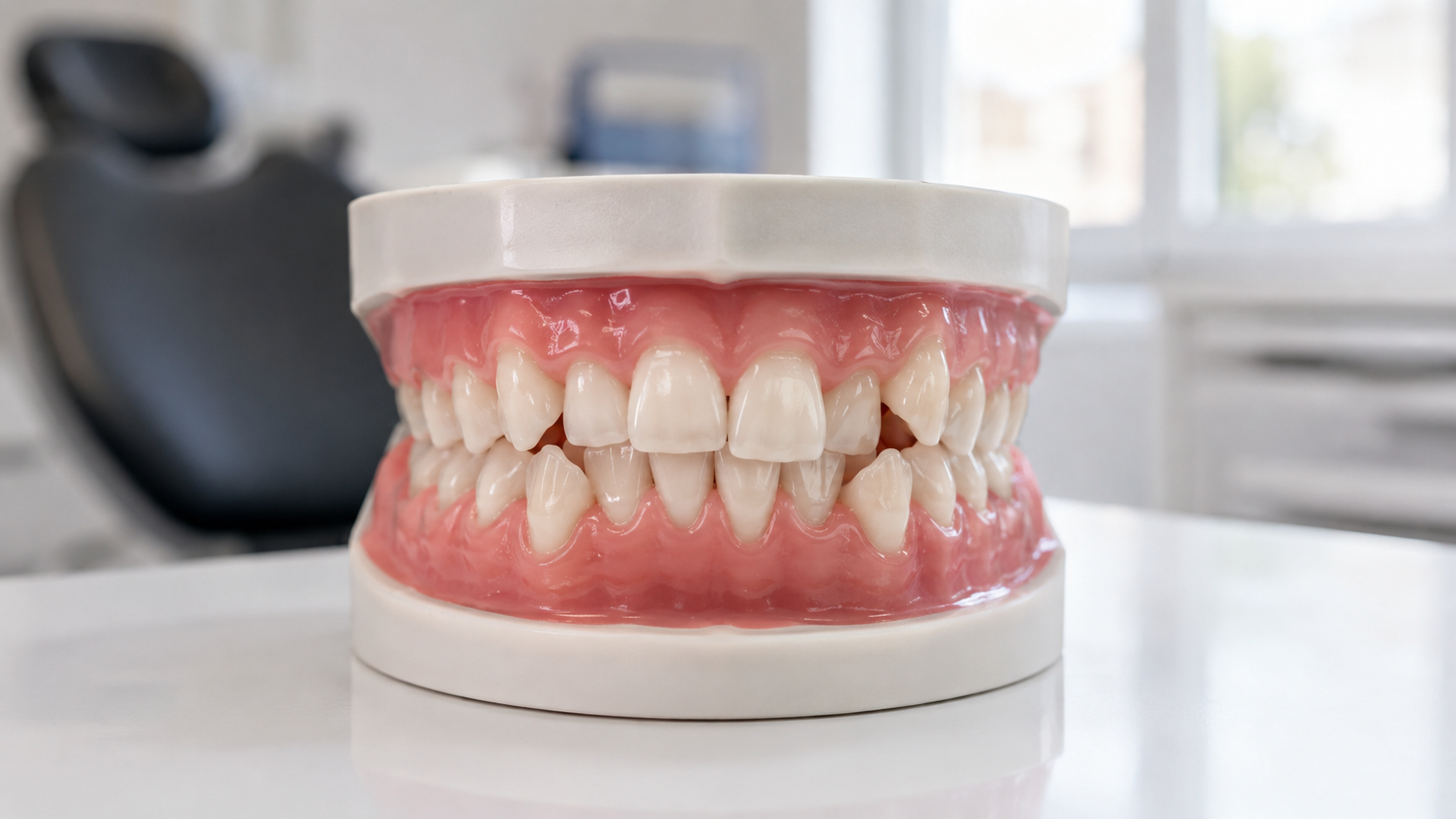
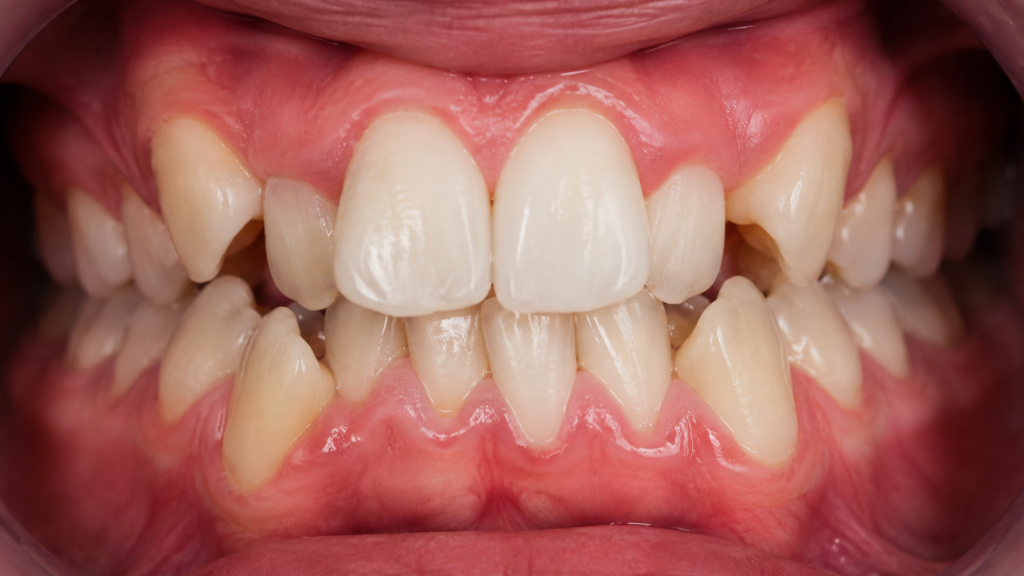
Crowded teeth happen when there isn’t enough room in the jaw for all the teeth to sit flat and straight. Instead, teeth twist, overlap, or push against one another as they compete for space. Crowding ranges from mild — a slightly rotated tooth or two — to severe, where teeth significantly overlap and the jaw may need extra room created before straightening can begin.
Common causes of crowded teeth include:
- Small jaw size relative to tooth size — often genetic
- Larger-than-average teeth, which leave less room in the arch
- Early loss of baby teeth, which allows neighboring teeth to drift into the open space before permanent teeth are ready to erupt
- Late loss of baby teeth, which can block permanent teeth from coming in properly
- Genetics — jaw size and tooth size are both largely inherited
Crowding doesn’t go away or improve on its own, and in most cases it gradually gets worse with age as the jaw naturally narrows over time.
Can Braces Fix Crowded Teeth?
Yes. Braces are one of the most reliable ways to correct crowding, whether the case is mild or moderate-to-severe. Braces work by applying gentle, continuous pressure to individual teeth, gradually guiding them into better alignment. As teeth shift into more efficient positions, the arch effectively “makes room” for a properly aligned smile.
Braces can:
- Straighten overlapping and rotated teeth
- Correct related bite problems that often accompany crowding
- Create even, functional spacing across the arch
- Make daily brushing and flossing significantly easier
For more severe crowding, your orthodontist may recommend additional steps before or during treatment — such as an expander to widen the jaw in younger patients, or in some adult cases, small amounts of interproximal reduction (very minor reshaping between teeth) to create space. Learn more about braces options at ABSC.
Why Treat Crowded Teeth?
Correcting crowding isn’t only about the appearance of your smile — it has real functional benefits. Overlapping and crowded teeth are harder to clean properly, which raises the risk of:
- Tooth decay in the tight spaces between overlapping teeth
- Gum disease from plaque that’s difficult to brush and floss away
- Uneven or accelerated tooth wear where teeth rub against each other
- Bite problems that develop as a result of misalignment
Straightening crowded teeth makes your daily oral hygiene routine far more effective — and lowers your long-term risk of cavities and gum problems.
Types of Braces for Crowded Teeth
Several treatment options can correct crowded teeth, and which one is right for you depends largely on how severe the crowding is:
- Traditional metal braces — the most versatile option, effective for mild through severe crowding cases
- Clear ceramic braces — work the same way as metal braces but are far less visible; see our clear braces options
- Invisalign clear aligners — a good option for many mild-to-moderate crowding cases, though more severe crowding sometimes requires braces for the level of control needed
Your orthodontist will recommend the most appropriate option after evaluating the severity of your crowding, your bite, and your treatment goals at a consultation.
How Long Does Treatment Take?
Treatment time depends heavily on how severe the crowding is. Most orthodontic treatment for crowding takes between 12 and 24 months. Factors that affect your specific timeline include:
- Severity of the crowding
- Patient age — younger patients with jaws still developing may see faster, more efficient movement
- Type of braces or aligners used
- Consistency with wear (for aligners) and keeping scheduled orthodontic visits
Frequently Asked Questions
Can braces fix crowded teeth?
Yes. Braces are one of the most effective orthodontic treatments for correcting crowded teeth, from mild overlap to more significant crowding across the arch.
Do crowded teeth always require braces?
Not always — very mild crowding may not need treatment. But moderate to severe crowding usually benefits from orthodontic treatment, both for appearance and for oral health. A consultation is the best way to find out what’s recommended for your specific case.
Are clear braces or Invisalign effective for crowded teeth?
Yes, for many cases. Clear ceramic braces work identically to metal braces with a less visible appearance. Invisalign can also correct many mild-to-moderate crowding cases, though more severe crowding sometimes responds better to braces.
How long does it take to fix crowded teeth with braces?
Most crowding treatment takes between 12 and 24 months, depending on severity, patient age, and consistency with wear and appointments.
Can adults get braces for crowded teeth?
Yes. Many adults successfully correct crowded teeth with braces or clear aligners at any age — it’s never too late to start treatment.
Ready to Start Your Orthodontic Journey?
If you’re dealing with crowded or overlapping teeth, our experienced orthodontic team can evaluate your smile and recommend the treatment that fits your case and your goals.
Book your free orthodontic consultation today and start your journey toward a straighter, healthier smile.